
VESTIBULAR REHABILITATION
Vestibular Rehabilitation in Edmonton
Manage dizziness. Improve balance. Restore confidence in movement.
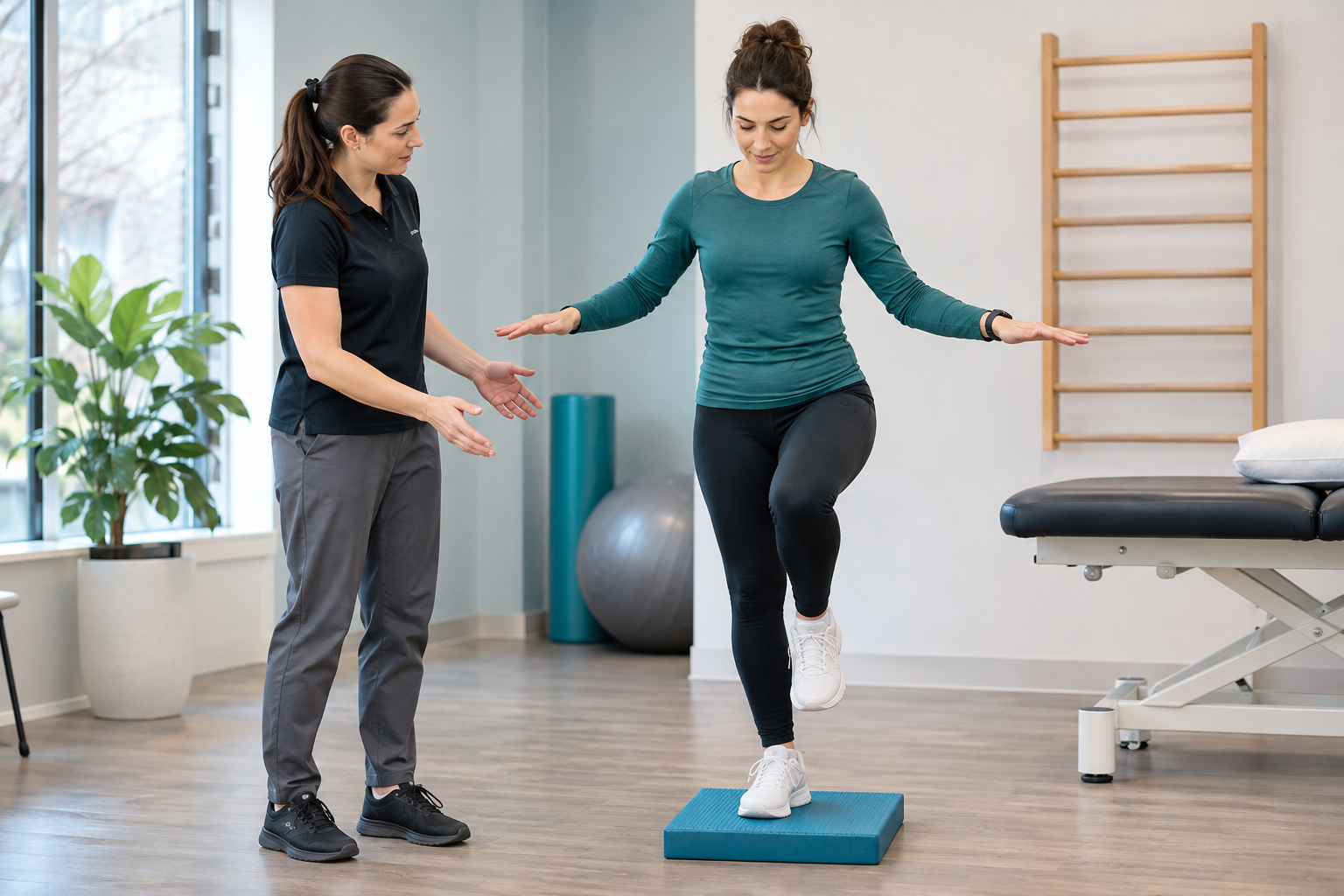
At Bonnie Doon Physiotherapy, we provide specialized vestibular assessment and rehabilitation for individuals experiencing dizziness, vertigo, balance difficulties, and vestibular dysfunction.
Our evidence-informed approach combines comprehensive clinical assessment, individualized vestibular exercises, and patient education to improve functional stability, manage symptoms, and support participation in everyday activities.
Bonnie Doon Medical Centre, Edmonton

Comprehensive Vestibular Assessment

Individualized Balance & Vestibular Rehabilitation

Evidence-Informed Care

Understanding the Vestibular System
The Inner Ear & Vestibular System
The vestibular organs within each inner ear include three semicircular canals and two otolith organs: the utricle and saccule.
The semicircular canals detect rotational head movements, while the otolith organs detect linear acceleration and head orientation relative to gravity.
This information travels through the vestibular nerve to the brain, where it is integrated with other sensory information to support balance and movement.
Gaze Stabilization
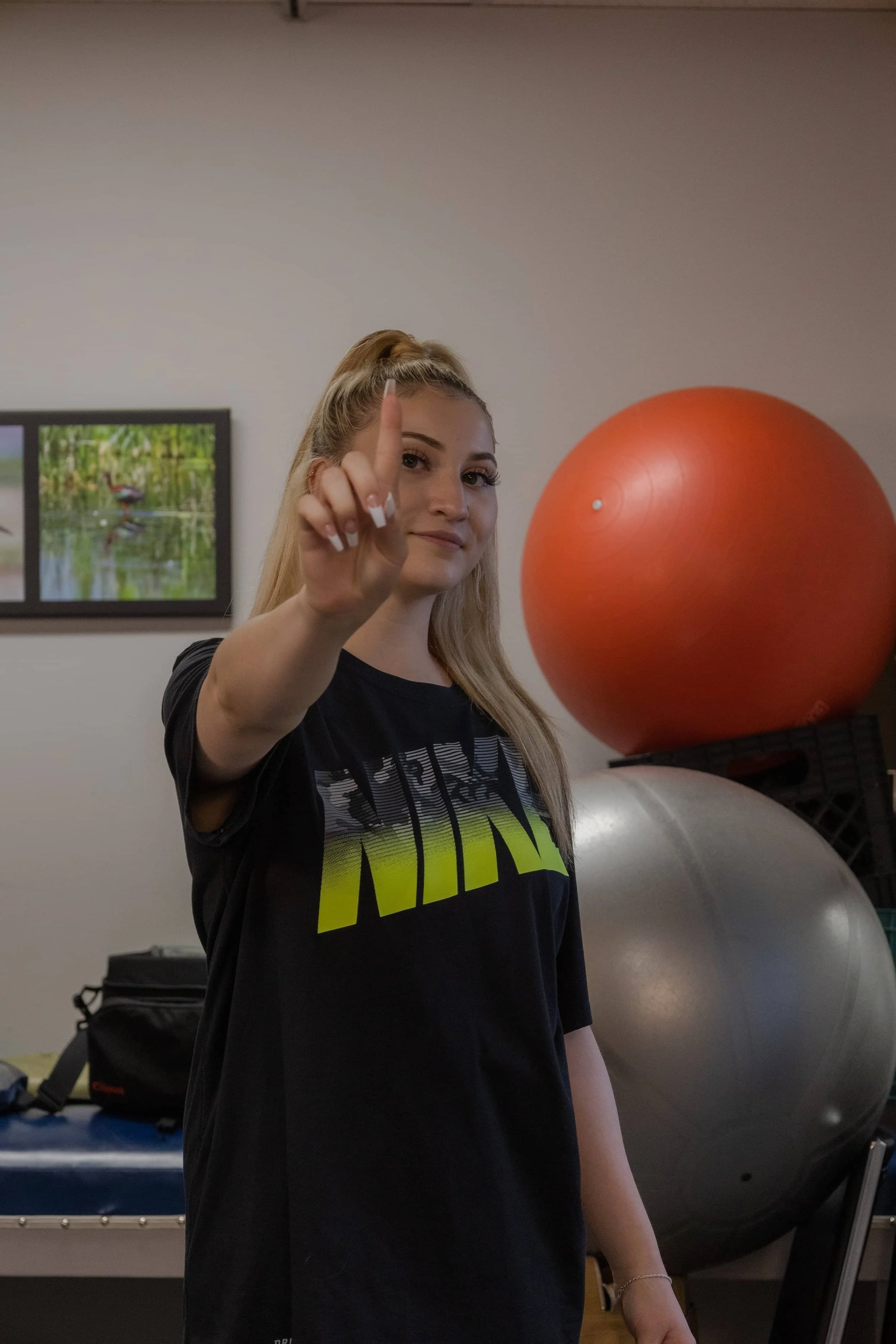
The vestibulo-ocular reflex (VOR) helps maintain clear and stable vision during head movements by coordinating compensatory eye movements.

Sensory Integration
The brain integrates vestibular, visual, and somatosensory information to support coordinated movement, balance, and navigation through different environments.

Balance & Postural Control
Vestibular information contributes to the coordination of postural responses, helping maintain stability during standing, walking, and changes in body position.

Spatial Orientation
The vestibular system helps the brain interpret head movement and orientation in space, including movement relative to gravity.

Is All Dizziness Related to the Inner Ear?
Dizziness is a symptom rather than a specific diagnosis. Although vestibular disorders are a common cause of dizziness and vertigo, symptoms may also arise from neurological, cardiovascular, metabolic, medication-related, or other medical conditions.
A comprehensive clinical assessment helps identify potential contributing factors and determine whether vestibular rehabilitation is appropriate or whether further medical evaluation is required.
Vestibular Conditions & Symptoms We Treat
Vestibular disorders can affect balance, visual stability, spatial orientation, and tolerance to movement, making everyday activities such as walking, driving, reading, and navigating busy environments more challenging.
At Bonnie Doon Physiotherapy, our team includes a physiotherapist with advanced training in vestibular rehabilitation through Duke University's competency-based vestibular rehabilitation program held at the Emory Conference Center in Atlanta, Georgia.
Our clinical approach focuses on identifying the nature of vestibular dysfunction, providing condition-specific rehabilitation, and determining when additional medical evaluation or interdisciplinary care is appropriate.
Benign Paroxysmal Positional Vertigo (BPPV)
A common inner ear disorder caused by displaced calcium carbonate particles within the semicircular canals. BPPV typically causes brief episodes of vertigo triggered by changes in head position, such as rolling in bed, bending forward, or looking upward.
Treatment involves appropriate canalith repositioning manoeuvres based on the affected canal.

Peripheral Vestibular Hypofunction
Reduced vestibular function affecting one or both inner ears or their associated vestibular nerves. Symptoms may include dizziness, imbalance, blurred vision during head movements, and difficulty walking in darkness or on uneven surfaces.
Rehabilitation focuses on gaze stability, balance, and vestibular compensation.

Vestibular Migraine
A neurological disorder characterized by episodes of vestibular symptoms associated with migraine. Symptoms may include vertigo, motion sensitivity, and sensitivity to light or sound, with or without headache during an episode.
Vestibular physiotherapy may complement medical management by addressing associated balance and movement-related difficulties.

Central Vestibular Dysfunction
Vestibular symptoms associated with conditions affecting the brainstem, cerebellum, or other central nervous system pathways involved in balance and eye movement control.
Rehabilitation may address functional balance, coordination, and movement difficulties alongside appropriate medical management.

Visual Motion Sensitivity & Gaze Instability
Difficulty maintaining clear vision during head movements or tolerating visually complex environments such as grocery stores, shopping centres, crowds, and moving traffic.
Rehabilitation may include targeted gaze stabilization exercises and graded exposure to visual motion, depending on the underlying condition.
Advanced Training in Vestibular Rehabilitation
Duke University • Atlanta, Georgia, USA
Our team includes a registered physiotherapist who has completed the Vestibular Rehabilitation: A Competency-Based Course, delivered by Duke University's Doctor of Physical Therapy Program and the American Physical Therapy Association.
Held at the Emory Conference Center in Atlanta, this intensive program combines clinical education, practical training, and competency assessments in peripheral and central vestibular disorders, eye movement examination, positional vertigo, balance assessment, and vestibular rehabilitation.
Common Vestibular Symptoms
Spinning sensations or vertigo
Dizziness during head movements
Unsteadiness while walking
Blurred vision during movement (oscillopsia)
Difficulty walking in darkness
Visual motion sensitivity
Motion-related nausea
Difficulty navigating busy environments
Reduced balance confidence
Difficulty maintaining balance on uneven surfaces
Disorientation during movement
Increased risk or fear of falling
Important clinical note
Dizziness and balance difficulties can arise from vestibular, neurological, cardiovascular, visual, and other medical conditions. Not all forms of dizziness are appropriate for vestibular physiotherapy.
A comprehensive assessment helps determine whether vestibular rehabilitation is indicated or whether further medical investigation is necessary.
Sudden, severe dizziness accompanied by new neurological symptoms, such as double vision, difficulty speaking, weakness, or an inability to stand or walk, requires immediate emergency medical assessment.
Understanding the Causes of Dizziness & Vertigo
Dizziness and vertigo can arise from a variety of conditions affecting the vestibular system, central nervous system, or other systems involved in balance and spatial orientation.
The brain continuously integrates information from the inner ears, eyes, muscles, and joints to maintain balance and visual stability. When this information becomes unreliable, inconsistent, or difficult to process, individuals may experience dizziness, unsteadiness, disorientation, or sensitivity to movement.
Understanding the underlying mechanisms and contributing factors is an important part of determining whether vestibular rehabilitation is appropriate and developing an individualized treatment plan.
Peripheral Vestibular Dysfunction
Conditions affecting the vestibular organs within the inner ear or the vestibular nerve can disrupt the detection of head movement and spatial orientation. Examples include BPPV, vestibular neuritis, and unilateral or bilateral vestibular hypofunction.
Central Vestibular Dysfunction
Changes within the brainstem, cerebellum, or other neurological pathways involved in vestibular processing can affect balance, eye movement control, coordination, and spatial orientation.
Visual Dependence & Sensory Mismatch
Some individuals become increasingly reliant on visual information for balance and orientation. Complex visual environments, moving objects, or conflicting sensory information may contribute to dizziness, motion sensitivity, and disorientation.
Incomplete Vestibular Compensation
Following vestibular injury or dysfunction, the central nervous system can adapt to changes in sensory input. When this compensation remains incomplete, symptoms such as gaze instability, dizziness during movement, and balance difficulties may persist.
Multisensory & Postural Control Changes
Reduced somatosensory function, visual impairment, age-related sensory changes, and limitations in strength or mobility can affect balance. Multiple sensory and physical impairments may coexist, particularly in older adults.
Non-Vestibular Causes of Dizziness
Cardiovascular conditions, orthostatic hypotension, medication side effects, metabolic disorders, and other medical conditions can produce dizziness or unsteadiness. Identifying these possibilities is an important part of differential assessment and appropriate referral.

Sensory Integration & Balance
Maintaining balance requires the nervous system to continuously interpret and adjust the relative importance of vestibular, visual, and somatosensory information.
For example, walking in darkness reduces the availability of visual information, while standing on an uneven surface can make sensory information from the feet and ankles less reliable.
Vestibular rehabilitation may help improve the nervous system's ability to adapt to changing sensory conditions, supporting functional balance, visual stability, and movement confidence.
Why Can Dizziness Persist?
Dizziness may persist even after the initial vestibular condition has resolved or stabilized.
Incomplete vestibular compensation, increased visual dependence, heightened sensitivity to movement, migraine, and changes in postural control may contribute to ongoing symptoms. Fear of falling, activity avoidance, and psychological distress can also interact with these processes.
Rehabilitation aims to address the relevant contributing factors through individualized exercises, graded exposure to movement, education, and appropriate interdisciplinary care.
Our Comprehensive Vestibular Assessment
A comprehensive vestibular assessment is essential to understanding dizziness, vertigo, balance difficulties, and movement-related symptoms.
At Bonnie Doon Physiotherapy, our assessment combines a detailed clinical history, vestibular and oculomotor examination, positional testing, neurological screening, and functional balance assessment, as clinically indicated.
We evaluate how the vestibular, visual, and somatosensory systems contribute to balance, visual stability, and functional mobility.
Assessment findings help guide clinical diagnosis, individualized rehabilitation, and recommendations for further medical investigation when appropriate.
Clinical History & Symptom Analysis
A detailed review of symptom onset, duration, frequency, triggers, medical history, medications, previous vestibular episodes, and associated neurological or auditory symptoms. Particular attention is given to how dizziness affects daily activities.

Oculomotor Examination
Assessment of eye movement control, including smooth pursuit, saccades, gaze holding, nystagmus, and convergence when indicated. These findings may help identify abnormalities involving ocular motor and central neurological pathways.
Vestibulo-Ocular Reflex & Gaze Stability
Assessment of the ability to maintain stable vision during head movements. Clinical testing may include the head impulse test, dynamic visual acuity, and other measures of vestibulo-ocular reflex function.

Positional Testing for BPPV
Specialized positional tests, including the Dix–Hallpike and supine roll tests, are used when indicated to assess characteristic vertigo and nystagmus patterns associated with benign paroxysmal positional vertigo (BPPV).
Balance & Sensory Integration Assessment
Evaluation of standing balance under different visual and surface conditions to assess functional stability and the use of sensory information for postural control.
Dynamic Gait & Functional Mobility
Assessment of walking, turning, head movements during gait, changes in walking speed, obstacle negotiation, and other functional tasks. These findings help identify mobility limitations and potential fall risk.
Neurological & Cervical Screening
Relevant neurological, cervical spine, and cardiovascular screening may be performed to identify associated impairments, potential non-vestibular contributors, and findings requiring further medical evaluation.
Motion Sensitivity & Visual Dependence
Assessment of symptom responses to head and body movements, changes in position, and visually complex environments. Findings help guide individualized rehabilitation for motion sensitivity and visually induced dizziness.

Measuring Vestibular Function & Rehabilitation Progress
Standardized clinical tests and outcome measures may be used to establish a baseline, identify functional limitations, and monitor progress throughout vestibular rehabilitation.
These measures help evaluate dizziness-related disability, gaze stability, sensory integration, dynamic balance, walking ability, and confidence during everyday activities.
Reassessment findings guide exercise progression, treatment modifications, and recommendations for independent symptom management.
Identifying the Underlying Cause of Dizziness
Dizziness is not a diagnosis in itself. Similar symptoms can arise from peripheral vestibular disorders, central neurological conditions, migraine, cardiovascular conditions, or other medical concerns.
A comprehensive vestibular assessment helps differentiate between common clinical presentations and identify findings that may require further investigation.
When indicated, additional assessment by a physician, neurologist, otolaryngologist (ENT specialist), audiologist, or other healthcare professional may be recommended.
Our Vestibular Rehabilitation Approach
Vestibular rehabilitation is an individualized, exercise-based approach designed to improve visual stability, balance, movement tolerance, and functional mobility in individuals with vestibular dysfunction.
At Bonnie Doon Physiotherapy, treatment is guided by comprehensive clinical assessment and the underlying mechanisms contributing to dizziness, vertigo, and balance difficulties.
Our approach incorporates condition-specific interventions, vestibular adaptation and compensation exercises, sensory integration training, progressive balance rehabilitation, and patient education.
Rehabilitation is regularly reassessed and progressed according to clinical findings, symptom response, and individual functional goals.
Canalith Repositioning Manoeuvres
Specialized repositioning techniques, including the Epley, Semont, Gufoni, and barbecue roll manoeuvres, may be used to treat BPPV. Manoeuvre selection depends on the affected semicircular canal, clinical presentation, and individual physical limitations.
Gaze Stabilization & VOR Adaptation
Targeted exercises involving coordinated head and visual fixation tasks to improve gaze stability during movement. These exercises support adaptation of the vestibulo-ocular reflex (VOR) where appropriate, helping reduce movement-related visual blurring.
Vestibular Compensation & Substitution
Exercises that encourage the nervous system to adapt to reduced vestibular function and develop alternative strategies for maintaining visual stability, balance, and spatial orientation.
Habituation & Motion Sensitivity Training
Gradual, controlled exposure to movements or situations that provoke dizziness. When clinically appropriate, repeated exposure may help reduce symptom sensitivity and improve tolerance to everyday movement.
Visual Motion Rehabilitation
Individualized exercises involving graded exposure to moving visual stimuli and complex visual environments. Rehabilitation may help improve tolerance to activities such as shopping, scrolling, navigating crowds, and travelling in vehicles.
Balance & Sensory Reweighting
Progressive balance exercises performed under different visual, surface, and movement conditions to challenge sensory integration, improve postural control, and support adaptation to changing environments.
Dynamic Gait & Functional Rehabilitation
Progressive walking and movement exercises incorporating head turns, changes in direction, obstacle negotiation, uneven surfaces, and dual-task activities when appropriate. Treatment aims to improve functional mobility, balance confidence, and safety.
Patient Education & Self-Management
Education about vestibular function, symptom behaviour, recovery expectations, activity progression, and fall prevention. Individualized home exercise programs support rehabilitation between appointments and promote long-term independence.
Supporting the Nervous System's Ability to Adapt
Vestibular rehabilitation draws on the nervous system's capacity to adapt to changes in sensory information and movement demands.
Through appropriately selected and progressively challenging exercises, rehabilitation may promote vestibular adaptation, develop compensatory strategies, and reduce sensitivity to specific movements or visual environments.
These processes support functional recovery even when underlying vestibular deficits remain present.
Individualized Exercise Prescription & Progression
Vestibular exercises are prescribed according to the underlying condition, clinical findings, symptom severity, balance ability, and functional goals.
Exercise duration, frequency, head movement speed, visual complexity, and balance demands are gradually adjusted according to individual tolerance and rehabilitation progress.
Some exercises may temporarily provoke mild dizziness or discomfort. Your physiotherapist will provide guidance on appropriate symptom responses, exercise safety, and when modifications are necessary.
Regular reassessment helps guide progression and ensures that rehabilitation remains appropriate to your changing needs.
Interdisciplinary Care & Collaboration
Vestibular disorders can involve multiple sensory, neurological, and physiological systems. While vestibular physiotherapy plays an important role in managing many causes of dizziness, vertigo, and balance dysfunction, some conditions require additional medical investigation or interdisciplinary management.
At Bonnie Doon Physiotherapy, we recognize the importance of collaboration with physicians, medical specialists, and other healthcare professionals to support accurate diagnosis, appropriate treatment, and continuity of care.
Our location within Bonnie Doon Medical Centre supports opportunities for communication and coordination with medical professionals when clinically indicated.
Family Physicians
Coordination of medical investigations, medication reviews, management of underlying health conditions, and referrals to appropriate medical specialists.

Audiology
Specialized hearing and vestibular diagnostic testing that may provide additional information about auditory function, inner ear function, and vestibular impairments.

Otolaryngology (ENT)
Medical evaluation and management of inner ear disorders, recurrent vertigo, Ménière's disease, and vestibular symptoms associated with hearing changes or tinnitus.
Optometry & Ophthalmology
Assessment of visual and binocular vision impairments that may coexist with vestibular dysfunction, particularly following concussion or in individuals experiencing persistent visual symptoms.
Neurology
Assessment and management of vestibular migraine, central vestibular disorders, and neurological conditions contributing to dizziness, balance difficulties, or coordination impairments.
Psychology & Occupational Therapy
Support for persistent dizziness, activity avoidance, anxiety associated with vestibular symptoms, sensory sensitivity, and gradual reintegration into daily activities and work.

A Coordinated Approach to Complex Vestibular Conditions
Conditions such as vestibular migraine, persistent postural-perceptual dizziness (PPPD), post-concussion vestibular dysfunction, and central vestibular disorders may benefit from a multidisciplinary approach.
Depending on the clinical presentation, management may involve vestibular rehabilitation, medical treatment, psychological support, activity modification, and strategies to improve participation in everyday life.
With patient consent, relevant assessment findings, treatment recommendations, and rehabilitation progress may be communicated to other healthcare professionals involved in the patient's care.
Appropriate Referral & Further Investigation
Patient safety is an essential part of vestibular care. When assessment findings suggest a condition outside the scope of physiotherapy, further medical evaluation or referral may be recommended.
This may include unexplained or progressive neurological symptoms, new hearing changes, recurrent unexplained vertigo, suspected cardiovascular causes of dizziness, or symptoms that do not follow an expected recovery pattern.
Sudden hearing loss requires urgent medical assessment. Acute dizziness accompanied by new neurological symptoms or severe difficulty standing or walking requires immediate emergency medical attention.
How Vestibular Rehabilitation Can Help
Dizziness, vertigo, and balance difficulties can significantly affect independence, mobility, work, and participation in everyday activities.
Vestibular rehabilitation aims to improve the nervous system's ability to adapt to changes in vestibular function, reduce movement-related symptoms, and develop effective strategies for maintaining balance and visual stability.
Through individualized treatment and progressive exercise, rehabilitation can help individuals regain confidence in movement and improve their ability to participate in daily life.
Reduced Dizziness & Vertigo
Reduce the frequency, intensity, or functional impact of dizziness and vertigo through condition-specific treatment and vestibular rehabilitation.

Improved Gaze Stability
Improve the ability to maintain clear and stable vision during head movements, walking, and other everyday activities.
Improved Balance & Postural Control
Develop greater stability when standing, changing positions, navigating uneven surfaces, or moving in environments with limited visual information.
Reduced Visual & Motion Sensitivity
Improve tolerance to movement and visually complex environments, including grocery stores, crowds, scrolling screens, and moving traffic.
Fall Prevention & Balance Confidence
Address modifiable balance impairments, develop safer movement strategies, and improve confidence during standing and walking activities.

Return to Work, Recreation & Daily Activities
Gradually rebuild the functional capacity and movement tolerance needed to participate in work, exercise, recreational activities, and daily routines.

Long-Term Symptom Management
Develop practical strategies, individualized exercises, and a better understanding of symptom behaviour to support independence and ongoing self-management.
From Clinical Improvements to Everyday Function
The goals of vestibular rehabilitation extend beyond reducing dizziness. Rehabilitation focuses on improving the ability to perform activities that are meaningful to each individual.
These may include:
Getting in and out of bed without vertigo.
Walking outdoors and navigating uneven surfaces.
Turning the head while walking without losing balance.
Shopping in busy or visually complex environments.
Reading and using digital screens more comfortably.
Navigating stairs and moving safely in low-light environments.
Returning to work, exercise, and recreational activities.
Participating in daily activities with greater confidence and independence.
Treatment goals are established collaboratively and adjusted throughout rehabilitation according to individual progress and functional needs.
Recovery Looks Different for Everyone
Recovery from vestibular dysfunction varies depending on the underlying condition, severity and duration of symptoms, associated health conditions, and individual response to rehabilitation.
Some conditions, such as BPPV, may respond relatively quickly to appropriate repositioning manoeuvres. Others may require a longer period of rehabilitation to develop vestibular compensation, improve balance, and rebuild functional tolerance.
Meaningful recovery can occur even when underlying vestibular deficits remain present. Our focus is on measurable progress, functional independence, and sustainable symptom management.
What to Expect During Your First Vestibular Physiotherapy Visit
Your first vestibular physiotherapy appointment at Bonnie Doon Physiotherapy focuses on understanding your symptoms, identifying potential contributing factors, and determining the most appropriate approach to rehabilitation.
Your physiotherapist will guide you through the assessment process, explain relevant findings, and discuss treatment options based on your individual needs and functional goals.
The assessment is performed with your consent, taking into consideration your symptom tolerance, comfort, mobility, and safety.
Understanding Your Symptoms & Medical History
Your physiotherapist will discuss your dizziness, vertigo, balance difficulties, symptom triggers, medical history, medications, and previous investigations. We will also explore how your symptoms affect your daily activities, work, and quality of life.

STEP 1
Comprehensive Vestibular Assessment
Depending on your clinical presentation, your assessment may include eye movement testing, positional testing for BPPV, gaze stability assessment, neurological screening, and functional balance and walking tests.
STEP 2
Understanding Your Assessment Findings
Your physiotherapist will explain the relevant clinical findings, potential causes of your symptoms, and the role of vestibular rehabilitation. If additional medical investigations or specialist assessments are indicated, these recommendations will be discussed with you.

STEP 3
Individualized Treatment & Rehabilitation Plan
When clinically appropriate, treatment may begin during your initial appointment. This may include repositioning manoeuvres for BPPV, vestibular exercises, balance training, patient education, and an individualized home exercise program.
STEP 4

How to Prepare for Your First Appointment
To help us complete a thorough vestibular assessment, we recommend:
Wearing comfortable clothing and supportive footwear.
Bringing a list of your current medications.
Bringing any relevant medical reports, imaging results, hearing tests, or previous vestibular assessment findings, if available.
Bringing your prescription glasses, hearing aids, or mobility aids, if applicable.
Being prepared to discuss when your symptoms began, what triggers them, and how they affect your daily activities.
Arranging transportation or bringing a support person if your dizziness affects your ability to travel safely.
Continue taking your prescribed medications unless otherwise instructed by your healthcare provider.
Will Vestibular Testing Provoke My Symptoms?
Some vestibular assessment procedures involve head movements, changes in body position, or balance challenges that may temporarily reproduce dizziness, vertigo, or nausea.
These responses can provide valuable clinical information about your vestibular function and symptom behaviour.
Your physiotherapist will explain the purpose of each relevant test, monitor your response, and provide rest breaks or modify testing as needed. You can request a pause or stop any assessment procedure at any time.
If you experience increased symptoms following your appointment, your physiotherapist will provide appropriate guidance regarding activity, symptom management, and safe transportation.
Meet Our Physiotherapists
Dedicated professionals. Compassionate care. A shared commitment to your health.
Our team of registered physiotherapists brings together diverse clinical experience, advanced training, and a genuine passion for helping people. Through ongoing professional development and collaborative practice, we strive to provide thoughtful, evidence-informed care that reflects your individual needs and goals.
Get to know our team and find the right physiotherapist for your rehabilitation journey.

Carly Frances McKay, MScPT
Registered Physiotherapist
Clinical Areas of Focus: Pelvic Health • Orthopaedic & Sports Physiotherapy • Cancer Rehabilitation • Dry Needling • Acupuncture • TMJ/TMD

Louise Laine Bravo, MScPT
Registered Physiotherapist
Clinical Areas of Focus: Orthopaedic & Musculoskeletal Physiotherapy • Post-Surgical Rehabilitation • Sports & Injury Rehabilitation • Dry Needling • Manual Therapy • TMJ/TMD

Noman Anwari, MScPT, BSc (Hons)
Registered Physiotherapist | Clinic Owner/Director
Clinical Areas of Focus: TMJ/TMD & Orofacial Pain • Vestibular Rehabilitation • Concussion Management • Schroth Therapy for Scoliosis • Orthopaedic & Sports Physiotherapy • Advanced Dry Needling/IMS • Spinal Manipulation
Frequently Asked Questions About Vestibular Rehabilitation
Learn more about vestibular physiotherapy, dizziness and vertigo, assessment procedures, treatment options, and what to expect throughout your rehabilitation at Bonnie Doon Physiotherapy in Edmonton.
-
Vestibular rehabilitation is a specialized form of physiotherapy that addresses dizziness, vertigo, balance difficulties, and gaze instability associated with vestibular dysfunction. Treatment may include gaze stabilization exercises, balance training, habituation exercises, and condition-specific interventions such as repositioning manoeuvres for BPPV.
-
Dizziness is a broad term that can describe lightheadedness, unsteadiness, disorientation, or altered spatial awareness. Vertigo specifically refers to a false or distorted sensation of movement, which may include spinning, tilting, or rocking sensations. Identifying the characteristics of your symptoms helps guide assessment and treatment.
-
Yes. Benign paroxysmal positional vertigo (BPPV) is commonly treated using specialized canalith repositioning manoeuvres, such as the Epley manoeuvre. Your physiotherapist will perform appropriate positional testing to identify the affected semicircular canal and determine the most suitable treatment technique.
-
Recovery timelines vary depending on the underlying condition, symptom duration, severity, and individual response to treatment. BPPV may improve after one or a few treatment sessions, while vestibular hypofunction and persistent dizziness may require several weeks or months of rehabilitation. Your physiotherapist will discuss expected timelines following your assessment.
-
Yes, when vestibular impairments contribute to post-concussion symptoms. Vestibular rehabilitation may help address gaze instability, balance difficulties, motion sensitivity, and visually induced dizziness. Treatment is individualized and may form part of a broader concussion rehabilitation program.
-
Vestibular rehabilitation may help selected individuals with vestibular migraine or persistent postural-perceptual dizziness (PPPD), particularly those experiencing motion sensitivity, visual dependence, and balance difficulties. These conditions often require a multidisciplinary approach that may include medical management and other therapeutic interventions.
-
Yes. Vestibular rehabilitation may help older adults with vestibular-related balance difficulties improve postural control, walking stability, and confidence during daily activities. Treatment may also address strength, mobility, sensory integration, and other factors contributing to fall risk.
-
Some vestibular exercises may temporarily reproduce mild to moderate symptoms. This can be an expected response during certain rehabilitation approaches. However, excessive or prolonged symptom aggravation is not the goal. Your physiotherapist will provide guidance on exercise intensity, frequency, symptom tolerance, and appropriate progression.
-
Visually complex environments can be challenging for individuals with certain vestibular disorders. Moving objects, repetitive patterns, crowds, and large amounts of visual information may contribute to visually induced dizziness. Individualized vestibular rehabilitation may help improve tolerance to these environments through graded exposure and sensory integration exercises.
-
Yes. BPPV can recur even after successful treatment. Recurrent vertigo may also arise from other vestibular or medical conditions. If symptoms return, reassessment is recommended to determine whether the same condition is present or whether a different treatment approach is needed.
-
No. You can generally book a vestibular physiotherapy assessment directly at Bonnie Doon Physiotherapy without a physician's referral. However, some extended health insurance providers may require a referral for reimbursement. We recommend checking your individual insurance policy.
-
Vestibular rehabilitation provided by a registered physiotherapist is generally eligible for coverage under physiotherapy benefits in extended health insurance plans. Coverage varies depending on your provider and individual policy. Bonnie Doon Physiotherapy offers direct billing to participating insurance providers.
-
Sudden dizziness or vertigo accompanied by new symptoms such as double vision, difficulty speaking or swallowing, facial or limb weakness, severe unexplained headache, or an inability to stand or walk requires immediate emergency medical assessment.
Sudden unexplained hearing loss also requires urgent medical evaluation.
Not all dizziness originates from the vestibular system. Appropriate medical assessment is essential when symptoms suggest a potentially serious underlying condition.